
Private Label Cosmetics Manufacturing
Build a skincare, hair care or personal care range with a defined formula, sample and packaging brief. OEMCOS brings product development, brand presentation and production planning into the same manufacturing discussion.

What Does a Private Label Project Include?
The project is more than selecting a formula. Review the sample, container, artwork and order requirements as parts of the same finished product.

Formula Selection & Development
Start with an available formula or describe the changes your brand needs. Set the intended use, texture, fragrance, ingredients and benchmark before choosing samples.
Connect the approved formula to the application experience you want your customer to have.

Packaging & Brand Artwork
Review the container, fill size, closure and dispensing method alongside the formula. Share artwork, decoration and labeling references for the pack.
The finished container and artwork should match the specification used for the production order.

Product & Market Documentation
Explain the destination market, intended cosmetic description and supporting information requested by your purchasing team.
Discuss ingredient records, product specifications and any agreed stability, compatibility or claim-specific assessments for that brief.

Manufacturing & Delivery
Use the approved formula, sample, pack and artwork to define the order. Review quantity, inspection requirements and delivery destination together.
Confirm the quotation, payment terms and production arrangements against that complete scope.
Define the Finished Product
A private label cosmetics specification should make the approved product identifiable to the people buying, making and checking it. Record the decisions together so a formula sample, decorated pack and written quotation can be compared against the same brief.
Connect the Formula to the Pack
Give each selected formula or sample a clear reference. Record the version your team evaluated and the characteristics it approved, such as fragrance direction, texture, color and application. List requested changes separately so an earlier sample is not mistaken for the final selection.
Add the intended fill size, container, closure and dispensing method. An attractive pack reference still leaves practical decisions about the opening, pump or applicator, decoration and outer packaging. State which components are already chosen and which remain proposals.
Keep the artwork version with that product record. For a coordinated range, identify the shared brand elements and the details that vary by item, including product name, instructions, ingredient information and pack size.
Compare Quotations on the Same Basis
Separate formula development, samples, packaging and the finished production order when reviewing a proposal. Check whether the quoted quantity refers to each product, each pack size or the complete assortment. A total for a mixed range alone does not explain the scope of each item.
Write down the delivery destination and the requested inspection or document package. Ask which records are available for the selected product and which additional work would need a separate agreement. Keep open decisions visible alongside the quotation.
Before approval, reconcile the sample reference, product specification, artwork and commercial terms. If any one of them changes, identify the affected items and request an updated record. This gives your team a practical way to review a revision without restarting unrelated decisions.
Choose a Product Range to Develop
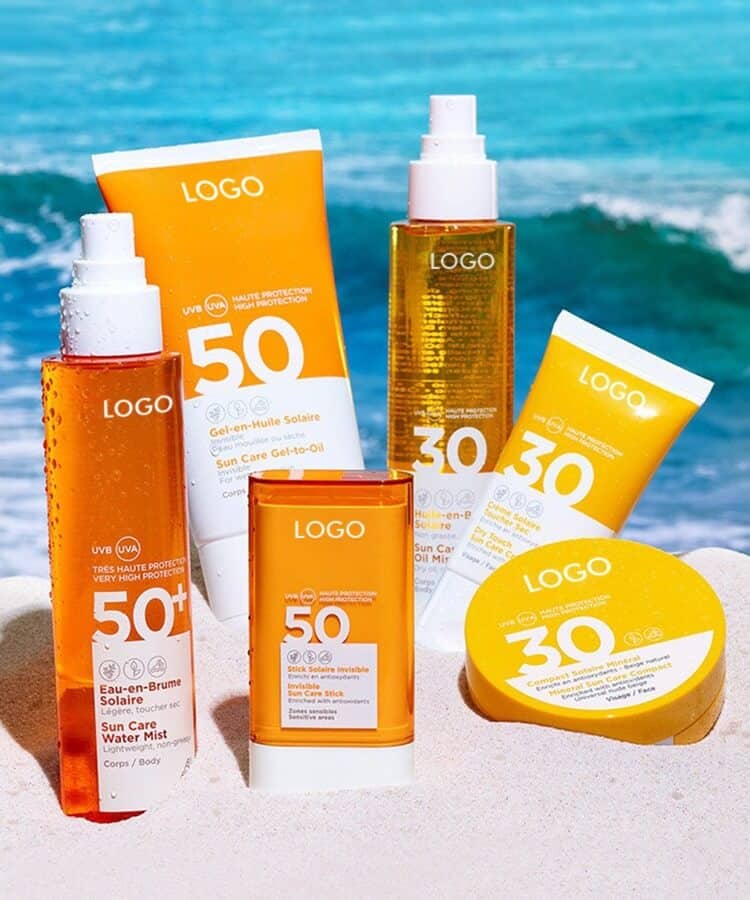
Use the existing sunscreen, face, lip, body, deodorant, hair, baby and men’s care references to explain the direction of your range. Name the product format and usage step you want to discuss, then compare the relevant samples.


How Do You Choose the Right Development Route?
The route depends on how much of the product is already defined. Make the starting point and requested work explicit so quotations address the same scope.
Existing Formula, Branded Pack
Select a starting formula and review the sample. Put the main development effort into choosing the product assortment, pack size, dispensing and brand presentation.
Confirm which formula and packaging details are fixed before evaluating order terms.
Requested Formula Changes
Send a benchmark and describe the ingredient, texture, fragrance or color change. Explain why that change matters for the intended user and routine.
Agree on the sample evaluation criteria and the development work required for the request.
A Custom Product Brief
Describe the format, target user, usage routine, market and pack concept. Bring any technical or commercial requirements your team has already defined.
Discuss the formula, sample and supporting information needed to review that product direction.
Manufacturing Support for Your Business Model
An existing brand, retailer, online business or filling operation arrives with different information. Share what your team already controls and the support you want OEMCOS to review.

Established Beauty Brands
Extend a current range or update a product using your existing approval process. Share the formula or pack specification, expected changes and the way the new item should fit the range.
Importers & Retail Brands
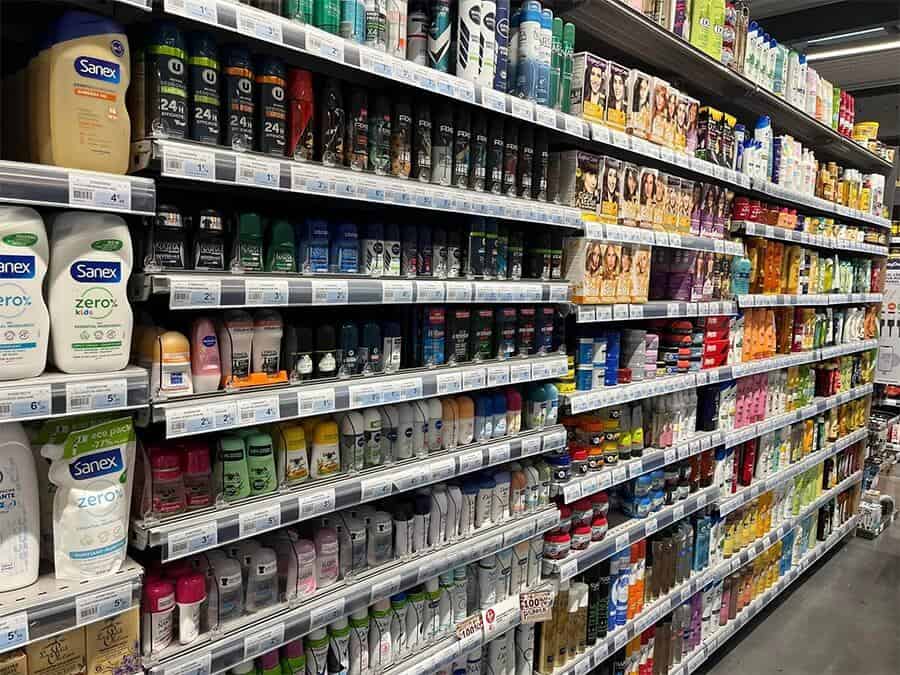
Define the retail channel, pack format, destination market and product documentation before sampling. These details help connect the proposed formula and presentation to your purchasing requirements.

Online Beauty Brands
Review the application and dispensing experience alongside the presentation of the pack. Choose a focused assortment and agree on the approvals needed for the launch.

Businesses With Filling Operations
Discuss bulk formula supply with your existing filling process in mind. Define the material handling, container compatibility, delivery format and quality information needed for that arrangement.
How Do You Work With OEMCOS?
Use the same approved brief from sampling through production. The sequence below gives both teams a practical way to identify what needs a decision next.

Prepare the Product Brief
Describe the intended user, market, format and pack. Separate essential requirements from preferences.
Select the Sample Work
Choose the formulas to evaluate and agree on any development, sample preparation and dispatch arrangements.
Review Samples & Give Feedback
Record the texture, fragrance, application and dispensing observations that matter to the brief.
Approve the Formula & Packaging
Set the formula, sample, fill size and container specifications used for the order.
Prepare Brand Artwork
Supply the brand assets and label content for the chosen packaging and destination market.
Review the Pack Proof
Check layout, decoration, wording and dispensing against the approved product specification.
Agree on the Commercial Order
Confirm the quantity, quotation, payment terms, inspection requirements and delivery destination.
Coordinate Production & Delivery
Follow the agreed approvals, manufacture and dispatch arrangements for the finished order.


How Does the Manufacturing Process Support Your Product?
Follow the five stages below from raw material handling to semi-finished product testing. Open a gallery to see formulation references, production equipment, packing or finished-product storage.


Formula Development


Manufacturing


Packing


Storage

Which Quality Records Should You Review?
Connect the product specification to the current records and agreed checks for the order.
Ask which current facility documents, ingredient information, product specifications and batch records apply to the order. Review the document scope and date alongside your intended product description and destination market.
If the finished product needs additional stability, packaging compatibility or claim-specific evidence, define that work in the project brief before commercial approval.



Ingredients Are Part of the Product Brief
Share the ingredients you want included or excluded, any fragrance preference and a benchmark formula when useful. Discuss the materials and supporting information for the formula you select.

Private Label Manufacturing Questions
What should be fixed before I request a manufacturing quotation?
Provide the product type, planned quantity, market and pack size. Add any fixed formula, ingredient, container, artwork or testing requirements. If some choices are open, identify those clearly so the quotation can explain the proposed scope instead of assuming a finished specification.
Can I compare an existing formula with a custom sample?
Describe what you want to compare and use consistent evaluation criteria for both. Discuss the preparation, development work and packaging needed for each sample. Review the actual differences before deciding which formula route belongs in the commercial order.
What packaging information should I send?
Send a container reference, fill size, dispensing preference, decoration idea and brand assets. Include the wording and language intended for the label. Check the formula and container together before approving artwork and ordering the packaging components.
How should I compare manufacturing offers?
Compare the same formula, fill size, container, decoration, quantity and agreed assessments. Check whether sample work, packaging components, inspection and delivery are included or separate. A useful comparison shows the finished scope and approval responsibilities, not only the quoted unit price.
What happens after sample approval?
Use the approved sample and product specification to finalize the pack, artwork, quantity and commercial terms. Agree on any remaining checks and approvals before production is scheduled, and keep the finished-product specification as the shared reference for the order.
Can I request support for a product range rather than one item?
Yes, describe the products and how they should work together in the intended routine or retail assortment. Set the format, pack and sample criteria for each product so the project can distinguish shared brand decisions from the specifications of the individual formulas.
Prepare Your Private Label Product Brief
Share the products you want to make and the decisions your team has already made. Include your market, quantity, sample requirements and packaging references.