

Private Label
Cosmetics
Skincare, hair care and personal care, made for your brand. Work with OEMCOS on formula selection, product samples, packaging and OEM or ODM production.
Start with a product reference or a development brief. Review the sample before confirming the finished-product specification.
Formula Selection & Development
Compare an existing formula, describe the changes you need or discuss a custom development brief.
Product Samples & Feedback
Review texture, application and dispensing. Keep the reference sample and your requested changes connected.
Packaging & Brand Artwork
Bring the formula, fill size, container, closure and label layout into the same product specification.
OEM / ODM Production
Agree on the approved sample, packing details and order requirements before coordinating production.
Build Your Product Range
Explore the actual product range: facial and eye care, hair and scalp care, body and bath, sun and tanning, makeup, lip care, family and men’s care, plus home and hotel product directions. Choose the usage step, product format and pack that make sense for the way your customer will use it.

Skin & Eye Care
Build a facial and eye care range around the routine your customer uses: cleansing, toning, serum, cream or a mask. Compare texture, application, layering and dispensing across the selected samples, then agree on the ingredients and pack format for each item.
Which products should work together in the customer’s routine?
Start with the usage steps and the product formats you want to offer. Share the intended feel, ingredients and pack sizes so formula and packaging choices can be reviewed as a coordinated range.
View This Range
Hair & Scalp Care
Develop shampoo, conditioner, mask, oil, styling or scalp-care directions for the intended hair routine. Define whether the product is rinse-off or leave-in, the application method and the texture or fragrance you want to evaluate. Review the sample alongside its bottle, pump or other dispensing format.
What should a hair care manufacturing brief define first?
Name the product’s role in the routine, intended user and application method. Bring a benchmark where useful and explain the texture, fragrance and packaging differences you want reviewed.
View This Range
Body & Bath
Choose body care, hand care, bath, personal cleansing or spa product formats for the way your customer will use them. Review spread, rinsing or leave-on application, fragrance and pack size together. A retail body product and a professional-use pack need a clearly defined sample and dispensing brief.
Will the product be used at home, sold at retail or used professionally?
Explain the setting and the application routine before selecting the pack. These details help compare the formula experience, fill size and dispensing method for the intended use.
View This Range
Sun & Tanning
Treat sunscreen and self-tanning as distinct product briefs. Begin with the intended format, application, target market and product description, then discuss the sample criteria, supporting testing and finished packaging. Evaluate the actual formula and dispensing experience before choosing the commercial specification.
What information helps define a sun or tanning product project?
Send the product type, destination market, pack concept and the claims or sample properties you want reviewed. Discuss the supporting information for that particular formula rather than assuming one set of records applies to the whole range.
View This Range
Makeup
Explore the existing color cosmetics and foundation directions for your brand. Describe the shade plan, coverage, finish and application experience you want to evaluate. Check the sample with its applicator and packaging so the color and handling decisions form part of the finished-product brief.
How should a makeup sample be compared?
Use the same application method and review conditions for the samples. Record the shade, coverage, finish and dispensing changes you want to discuss before approving the formula and pack.
View This Range
Lip Care
Select lip balm, mask or scrub formats as a standalone product or part of a coordinated lip care range. Compare application, texture and the feel you want the sample to deliver, alongside fragrance preferences and jar, tube or other dispensing options.
Which lip care format fits the way the customer will apply it?
Define the intended routine, texture and pack first. Share a benchmark and the formula or dispensing changes you need so the sample review addresses the complete product.
View This Range
Family & Men's Care
Prepare a specific brief for mother, baby or men’s grooming product directions. Name the intended user, application routine, product description and pack size. Review the formula, labeling and supporting information for the individual product instead of assuming every family or grooming item shares the same requirements.
What must be clear when the range targets a specific user group?
Explain who will use the product and how it will be applied. Include the planned wording and supporting information your team needs reviewed when selecting the formula and finished pack.
View This Range
Home & Hotel
Define laundry products, hotel amenities and soapmaking supplies as separate purchasing projects. Specify the intended use, quantity basis, delivery format and packaging, including whether the order is a retail pack, hospitality presentation or material for your own process.
What should a home or hotel product quotation describe?
Identify the product and quantity basis, the pack or supply format and the delivery destination. Keep the use setting and handling requirements connected to the specification being quoted.
View This RangeFrom Idea to Finished Product
Develop skincare, hair care and personal care products with OEMCOS. Start with a product direction, compare formulas and samples, then bring the approved packaging and manufacturing requirements into one project.
Choose an existing formula, discuss changes or prepare a custom development brief for your brand and market.
What does a private label project include?
Your brand appears on the finished product, but the development discussion reaches further than a logo. The formula, application experience, container and artwork need to describe the same item. Choosing them together makes the sample a useful reference for production.
An existing product can give you a starting point. A request for a different texture, fragrance, shade or ingredient direction changes the sample brief. A new concept needs a clear description of the intended user, product format and sales market before the development scope can be discussed.
Private label, OEM and ODM discussions begin with different starting information. Select the route that fits what your brand already knows about the product.
Select an Existing Formula
Use an available formula as a concrete starting point. Compare the feel, fragrance and application of the sample, then discuss the container and brand presentation for the finished pack.
This route is useful when your main decisions concern range selection, packaging and the first order specification.
Adapt the Product Direction
Explain the ingredient, texture, fragrance, color or dispensing change you want. Bring a benchmark product where useful, and separate essential requirements from preferences.
The agreed sample work should show which changes will be evaluated before the production specification is approved.
Prepare a Custom Development Brief
Describe the intended customer, usage routine, product format and market. Include ingredient preferences, the pack concept and the product description you plan to use.
Discuss development scope, samples, packaging and supporting documentation together so the formula work addresses the product you intend to sell.
From Formula Brief to Finished Pack
A useful manufacturing project connects the formula, sample, container and production order. These four parts give your team a clear way to compare options and approve the product.
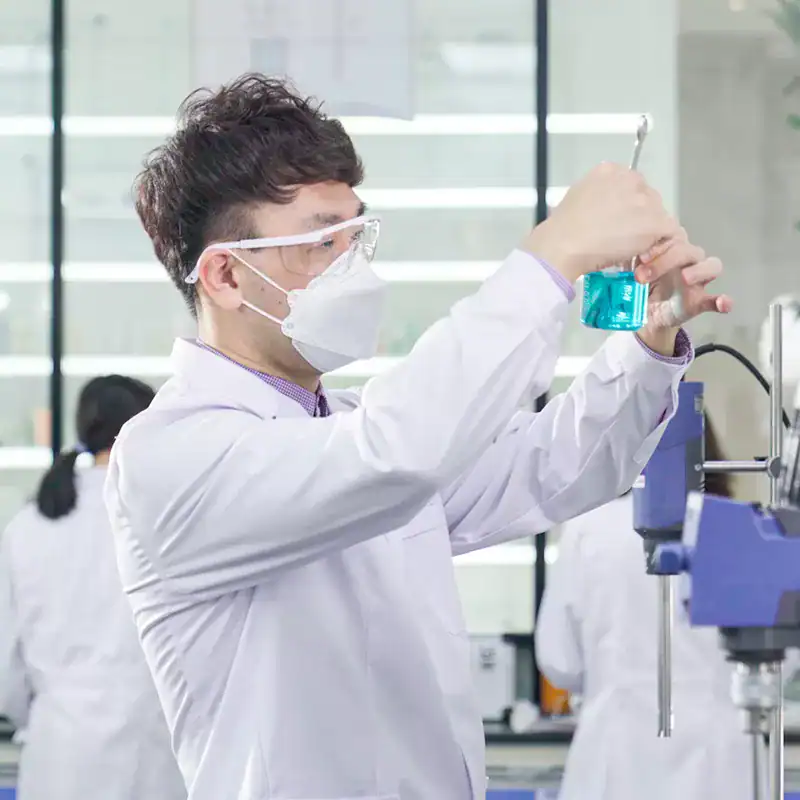
Formula Development
Translate the product brief into sample choices. Share the desired texture, fragrance and ingredients, the application routine and any benchmark that helps explain the result you want to evaluate.
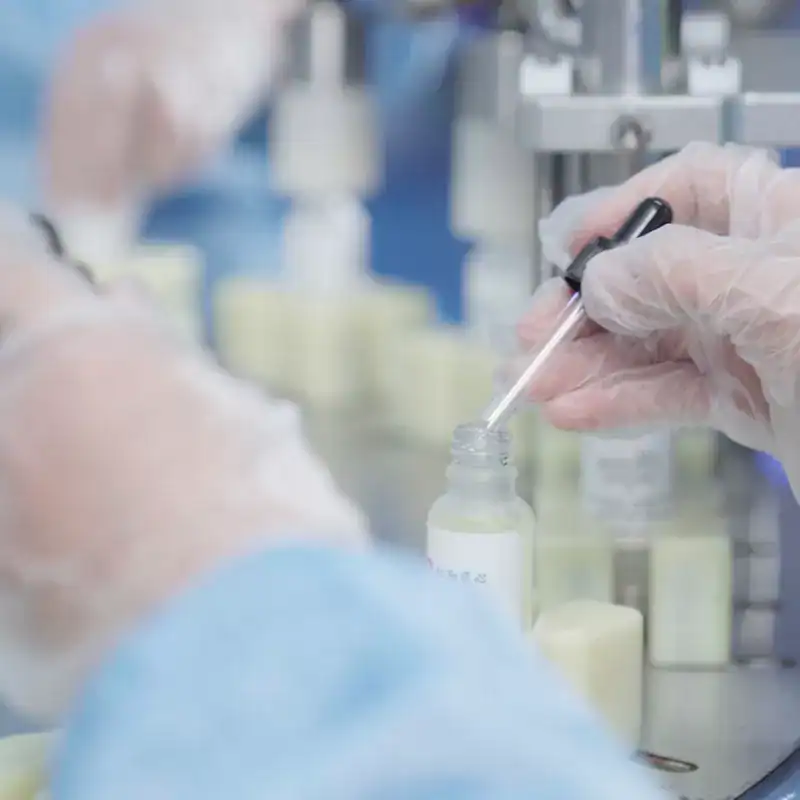
Sample Evaluation
Review the actual sample and record clear feedback on application, appearance, finish and dispensing. Discuss the requested changes before selecting the formula for the order.

Manufacturing & Packing
Bring the approved formula, fill size, container, artwork and quality requirements into the finished-product specification. Use that specification when discussing manufacture and packing.
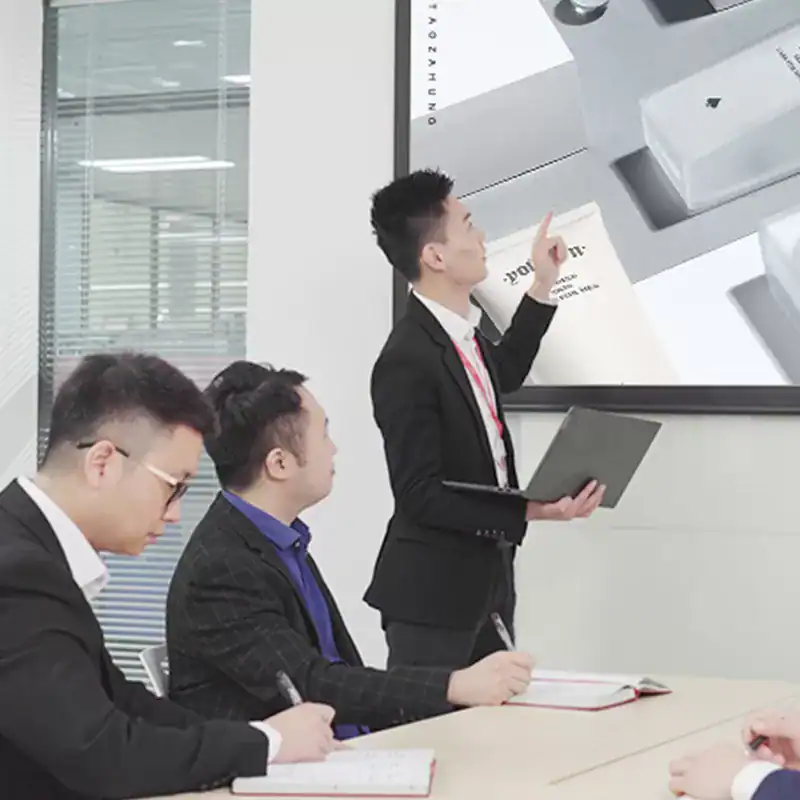
Order & Delivery Planning
Review the quantity, packaging components, approval steps and delivery destination in the quotation. Agree on the scope and schedule before committing to a launch plan.
What Should You Review Before Production?
The original document references help start the quality discussion. Connect the current files and agreed checks to the selected formula, finished packaging and destination market.
The Formula and the Pack Should Be Reviewed Together
Confirm the formula, ingredient information, fill size and container before treating the sample as a finished commercial product. Review the dispensing experience and the artwork intended for your customer.
Ask which current facility documents, product specifications and supporting records apply to the order. Define any additional product or packaging assessment in the brief.

What Clients Say About Working With OEMCOS
Read the original feedback about formulation, communication and manufacturing support.
They help me to build up my own Skin care brand! The R&D ability is not only very flexible, the product formula is also stable. They can provide the products I want and suitable for my market. This is very important because it will help us to sell products and expand my brand.

Really strong R&D ability, their lab can accurately develop the formula that meets my needs, trade clerk is professional, every detail is handled very meticulously, high production efficiency

Professional OEM Cosmetics Factory, They will know what i am thinking and they will according to my thinking to provide professional and suitable OEM order plan for me!

The professional OEM cosmetics factory, have strong and professional R&D team, they are very amazing from selection to production. really satisfied with every detail and service, which makes me very relieved.

Ingredients, Formula Feel & Product Positioning
A product range should connect its ingredient story to the sample experience and the way the customer uses it.
Make Ingredient Preferences Part of the Brief
List the ingredients you want included or excluded and describe the texture, fragrance and product format you are aiming for. A reference product can help the team understand the intended direction.
Discuss the ingredient information and material choices for the selected formula rather than choosing an ingredient name independently of the finished product.

Evaluate Your Product Before the First Order
Sampling turns a broad product idea into a decision your team can review. Keep the approved sample and specification as the reference for the manufacturing order.

Use a Sample to Make the Next Decision
Compare appearance, texture, fragrance and application against your brief. Try the proposed dispensing method where available, and record what you would keep or change.
Include the selected product names, your market and the packaging you plan to use. The sample request can then address the formulas and revisions you actually want to evaluate.
- Review the product against the same criteria each time.
- Identify specific formula or packaging changes in your feedback.
- Confirm the sample preparation, development and shipping arrangements for your request.
Make the Product Brief Useful
A clear brief lets your purchasing, product and packaging teams compare the same finished item.
Describe the product your customer will use
A cleanser, a leave-on serum and a rinse-off hair treatment belong to different routines. Name the product format, where it is applied and the way you expect it to feel. If you send a benchmark, explain whether it illustrates texture, fragrance, shade, dispensing or the overall presentation. One reference rarely describes every requirement.
For a range, identify the role of each item. A starter collection might focus on a short routine; a professional line may need a different pack size or dispensing method. Review those decisions as a range while keeping a separate formula and packaging reference for each product.
Compare complete samples and quotations
Evaluate the sample in the proposed container wherever possible. A formula you like in a laboratory sample can feel different to handle through a pump, tube or dropper. Record the sample version, the packaging used and the points your team wants to keep or change. A precise observation is more useful than a general request to make the product better.
State the destination market, planned quantity and retail presentation when requesting a quotation. Ask which product information and supporting records apply to the selected formula and pack. Compare the same scope across offers, including sample work, components and delivery arrangements, before treating prices as equivalent.
Cosmetics Manufacturing Questions
These purchasing questions help you prepare an OEM, ODM or private label project with a clear scope.
How do private label, OEM and ODM projects differ?
Private label can begin with an available formula selected for your brand. An OEM brief can specify the product and packaging you want manufactured; an ODM discussion includes development choices with the team. Buyers use these names differently, so define the formula work, samples, artwork and production scope in the quotation.
Can I start with an existing formula and request changes?
An existing formula gives you a starting sample to evaluate. Describe the texture, fragrance, color, ingredient preference or packaging change you need, and explain the market and intended user. The team can review the requested work, sample plan and development costs before you choose the route.
What should I include in a cosmetics manufacturing inquiry?
Send the product category or page reference, destination market, planned quantity and intended pack size. Add ingredient preferences, a benchmark sample and container or artwork references. Tell us which details are fixed and which you want help deciding so the proposal can address the real scope.
How should I compare samples for my private label range?
Use the same review criteria for each sample: appearance, fragrance, texture, application, finish and dispensing. Evaluate the container alongside the formula. Keep written feedback and identify the change you need before agreeing on the approved sample and finished-product specification.
What determines the minimum quantity and manufacturing price?
Formula preparation, fill size, container, decoration and order quantity shape the quotation. Packaging components and custom development can have separate requirements. Compare the complete scope, including the samples, artwork, agreed checks and delivery arrangements, rather than treating a general price as a finished quotation.
Which quality documents should a cosmetics buyer request?
Start with the current ingredient information, product specification and available facility or batch documents for the selected order. Explain the destination market and planned product claims so the relevant supporting records can be discussed. Review the approved formula and pack together with any product-specific testing agreed for the project.
Can OEMCOS help with packaging and brand presentation?
Packaging is part of the manufacturing discussion. Share the container style, fill size, dispensing method, brand assets and decoration references you prefer. Review the artwork and pack proof alongside the approved formula; a bottle, pump, jar or tube changes how the customer handles and uses the product.
When should I confirm a production or launch schedule?
Define the formula, pack and artwork scope first, then review the sample approvals and material procurement needed for the order. Agree on the production and delivery schedule in the quotation. Tell the team about a required launch date early so it can be considered against those decisions.
Tell Us What You Want to Make
Send the product type, destination market, planned quantity and packaging references. Contact sales@oemcos.com or WhatsApp +86 13155186209, or use the quotation form to describe your brief.